How to prevent frozen pipes in Longview winter
Longview winters drop below freezing often enough to burst unprotected pipes. Here is how to prevent frozen pipes in Longview WA before the first hard freeze.
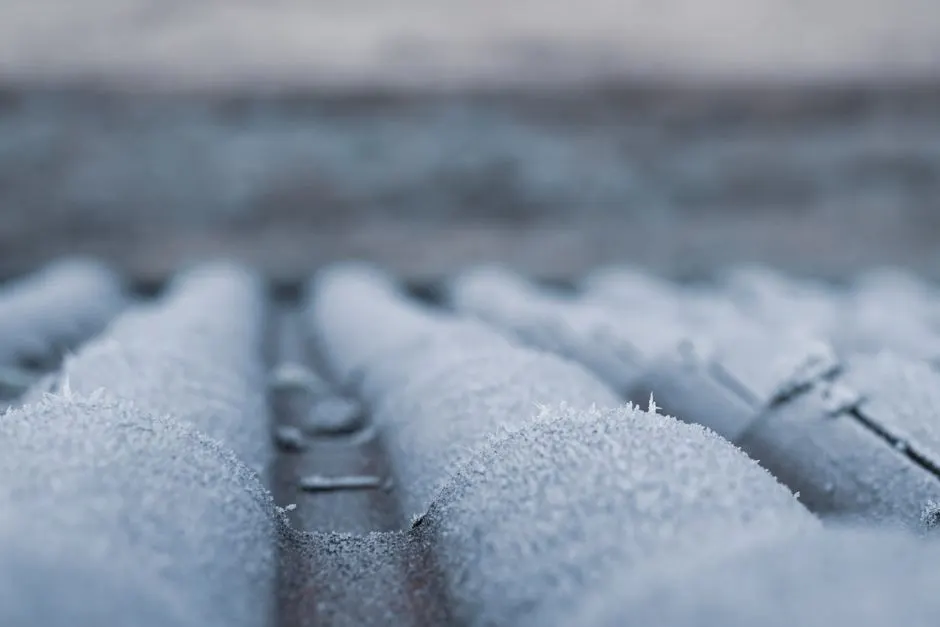
You prevent frozen pipes in Longview by keeping every exposed pipe above 32°F - insulate the lines in your crawlspace, garage, and exterior walls, drip the faucets on the coldest nights, and hold your thermostat at 55°F or higher even when you are away. That is the whole answer. Everything below is the detail that decides whether your pipes survive a Longview cold snap or split open at 2 a.m.
Prevent frozen pipes Longview WA is really a two-part job: block cold air from reaching the pipe, and keep water moving through it. We run both parts every winter for homeowners from the West Side to Lexington, and the calls we get in January almost always trace back to one missed step in November.
Why Longview pipes freeze so fast
Longview sits in a river valley where cold air pools overnight, so pipes here freeze faster than the regional forecast suggests. The Cowlitz and Columbia confluence traps dense air against the ground, and a night forecast at 34°F in Portland can read 28°F on your porch in Longview by 3 a.m.
Most of the homes we service were built between 1920 and 1970, when plumbing was run through unheated crawlspaces and exterior walls with little or no insulation. That construction style is why frozen pipe prevention Longview matters more here than in newer suburbs. A pipe in a 45°F crawlspace is fine. The same pipe in a 26°F crawlspace with a west-facing vent open is a burst pipe waiting for Thursday.
Water expands about 9 percent when it turns to ice. That expansion is what splits copper, PEX, and galvanized steel. The split often happens where you cannot see it, and you find out when the thaw starts and water pours through the ceiling.
How do I prevent frozen pipes in Longview winter?
You prevent frozen pipes in Longview winter by sealing cold air out, adding heat or insulation to vulnerable lines, and keeping water moving during the coldest hours. Here is the order we work in, from cheapest fix to most involved.
- Seal the crawlspace and foundation vents. Close or block foundation vents from November through March. A single open vent can drop a crawlspace 15°F in one night.
- Insulate every exposed pipe. Foam pipe sleeves cost about $2 to $4 per six-foot section at any Longview hardware store. Focus on pipes within 24 inches of an exterior wall, in the garage, and under the kitchen and bathroom cabinets.
- Drip the farthest faucet. A pencil-thin stream on the fixture farthest from your water main keeps water moving through the whole run. It costs a few dollars in water over a cold snap and prevents a $4,000 repair.
- Open cabinet doors. On nights below 25°F, open the doors under kitchen and bathroom sinks so warm house air reaches the pipes.
- Disconnect hoses and shut off exterior spigots. A hose left connected traps water in the spigot and splits the valve body.
- Insulate the water heater and any exposed lines in the garage. Garage lines are the first to freeze in most Longview homes.
If you want this handled in one visit instead of a weekend of hardware-store runs, our team does residential plumbing longview WA work all winter, including pipe insulation, freeze protection, and crawlspace line checks.
What temperature should I keep my house at to prevent frozen pipes in Longview?
Keep your thermostat at 68°F while you are home and never below 55°F when you are away, even for a weekend trip. That 55°F floor is the number that matters. Below it, the interior of exterior-wall cavities drops close to outdoor temperature, and pipes in those walls freeze even though the room feels warm.
Two more thermostat rules we give every customer:
- Do not use a setback schedule that drops below 55°F overnight. The savings are small; the risk is not.
- If you leave for more than a few days during a cold snap, set the thermostat to 60°F and leave cabinet doors open under sinks.
If your heat goes out during a freeze, that is a plumbing emergency, not just an HVAC one. Call for emergency plumbing services longview WA before pipes have time to freeze - we can walk you through draining the lines if the outage looks long.
Pipe insulation in Longview: where it actually matters
Pipe insulation Longview homeowners install themselves usually goes in the wrong place. The pipes that burst are rarely the ones in the basement ceiling. They are the ones in these five spots:
- Exterior wall runs behind kitchen and bathroom cabinets
- Unheated crawlspace lines, especially the main supply
- Garage walls shared with the house
- Attic runs in older homes with poor ventilation
- Any pipe within 12 inches of a foundation vent or exterior door
Use closed-cell foam sleeves for straight runs and pre-formed elbow pieces at every turn. Tape the seams with foil tape, not duct tape - duct tape dries out and falls off by February. For pipes in a crawlspace that regularly drops below 25°F, add a thermostatically controlled heat cable wrapped in a spiral, then insulate over it.
If your pipes are older galvanized steel or you have had two or more freeze events in the same spot, the real fix may be replacing that section. We handle pipe repair longview WA and can tell you in one visit whether insulation is enough or the line needs to be rerouted inside the thermal envelope.
What should I do if my pipes freeze in Longview?
If your pipes freeze in Longview, shut off the main water valve first, then thaw the pipe slowly with a hair dryer, heat lamp, or warm towels - never an open flame or a propane torch. The order matters. If the pipe has already split, thawing it with the water on turns a small repair into a flooded room.
Step by step:
- Shut off the main valve, usually near the water meter or where the supply enters the house.
- Open the nearest faucet so melting water has somewhere to go.
- Apply gentle heat starting at the faucet end and working back toward the frozen section.
- Watch for cracks or pinhole leaks as the ice clears. If you see water, keep the main off and call us.
- Once flow returns, leave the faucet running for a few minutes to clear any debris.
If you cannot find the frozen section, or the pipe is inside a wall, do not cut into drywall on a hunch. Our leak detection longview WA equipment finds the freeze point without demolition, and we can thaw it safely and check the line for damage before we leave.
Common mistakes that burst Longview pipes
The mistakes we see most often in Longview are the ones that feel like common sense until they are not. Watch for these:
- Leaving the hose connected. The single most common cause of a split exterior spigot.
- Turning the heat off for a trip. A 48-hour trip in January with the heat off can cost you a ceiling.
- Insulating only the pipe, not the cold air source. Insulation slows heat loss; it does not stop it. Seal the vent first.
- Using a torch to thaw. Every winter, someone in Cowlitz County burns a house down thawing a pipe.
- Ignoring a slow drain in winter. A partially clogged line freezes faster because water sits in it. If your drains slow down in December, get them cleared before the hard freeze.
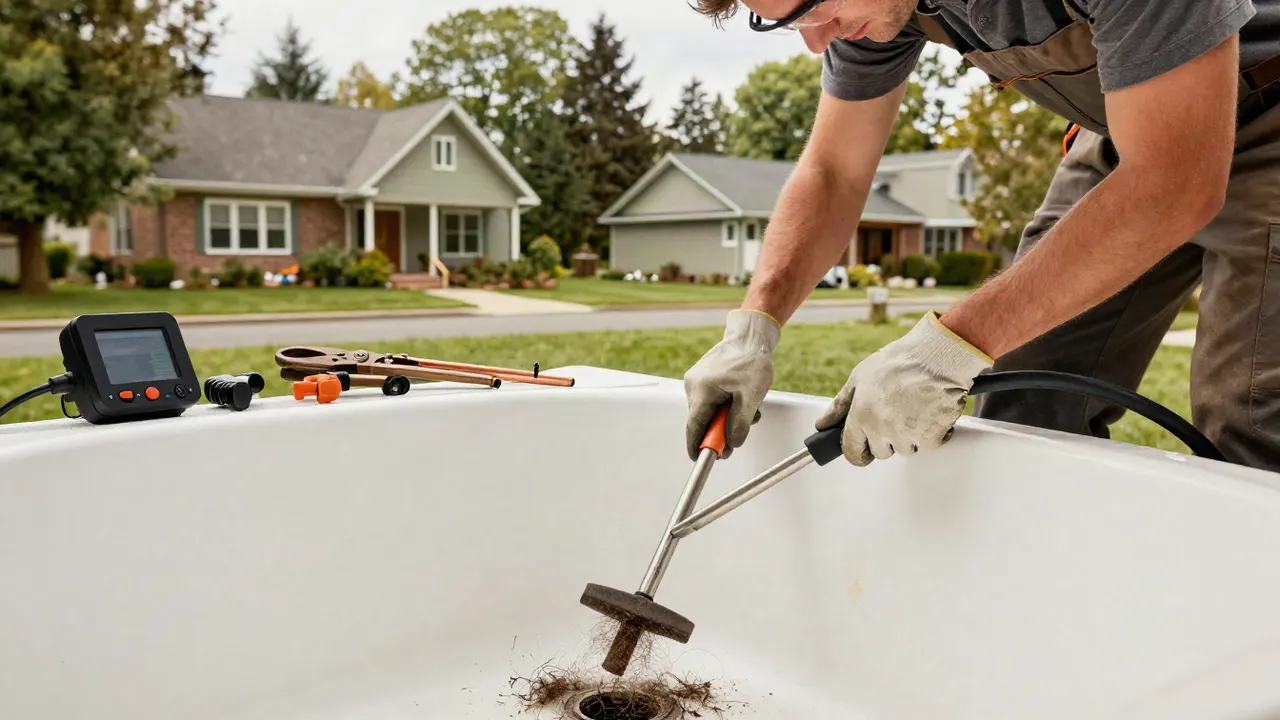
That last one catches people off guard. A line that drains fine in October can freeze solid in January if grease or roots have narrowed it. If your kitchen or laundry drain is slow, our drain cleaning longview WA service clears the line in an afternoon and removes one more freeze risk before the cold settles in.
When to call a professional
Call a professional when you cannot find the frozen section, when the pipe has already split, when your main valve will not close, or when the same line has frozen twice in one season. Those four situations are not DIY jobs, and each one gets worse the longer it sits.
Longview Riverbend Plumbing handles winter freeze calls across Longview and the surrounding Cowlitz County area. We thaw lines, repair or replace split pipe, and insulate the runs that keep freezing so you are not calling again next January. If you are heading out of town for the holidays, we can also walk your crawlspace and shut-off points before you leave.
Frequently Asked Questions
How do I prevent frozen pipes in Longview winter?
Seal foundation vents, insulate exposed pipes in crawlspaces and exterior walls, drip the farthest faucet on nights below 25°F, disconnect hoses, and keep your thermostat at 55°F or higher. Those five steps prevent the vast majority of freeze events we see in Longview homes.
What temperature should I keep my house at to prevent frozen pipes in Longview?
Keep it at 68°F when you are home and never below 55°F when you are away. The 55°F floor protects pipes inside exterior walls, which drop close to outdoor temperature when indoor heat is set lower. Avoid overnight setbacks below 55°F during a cold snap.
What should I do if my pipes freeze in Longview?
Shut off the main water valve, open the nearest faucet, and thaw the pipe slowly with a hair dryer or heat lamp, working from the faucet back toward the frozen section. Never use a torch. If you see a crack or cannot find the freeze point, call a plumber before thawing further.
Do I need to winterize my pipes in Longview Washington?
Yes. Longview sees overnight lows below freezing most winters, and older homes with crawlspace plumbing are especially vulnerable. Winterize by mid-November: insulate exposed lines, seal foundation vents, drain exterior spigots, and disconnect hoses. If you leave town in winter, set the thermostat to 60°F.
How much does frozen pipe repair cost in Longview?
Typical 2026 pricing in this area runs $250 to $600 for thawing and a small repair on an accessible pipe, and $900 to $2,500 or more if a wall or ceiling has to be opened. Insulating your vulnerable lines in the fall costs a fraction of that.
Get help with plumbing in Longview
If a pipe has already frozen, split, or you want your crawlspace checked before the next cold snap, we are ready to help. Longview Riverbend Plumbing serves Longview and Cowlitz County with winter freeze prevention, thawing, and repair.
Call us at (360) 886-3111 and we will get your water moving again.