How to unclog a kitchen sink drain without chemicals
A step-by-step guide to clearing a kitchen sink clog in Longview WA without caustic drain chemicals, plus when to call a plumber.
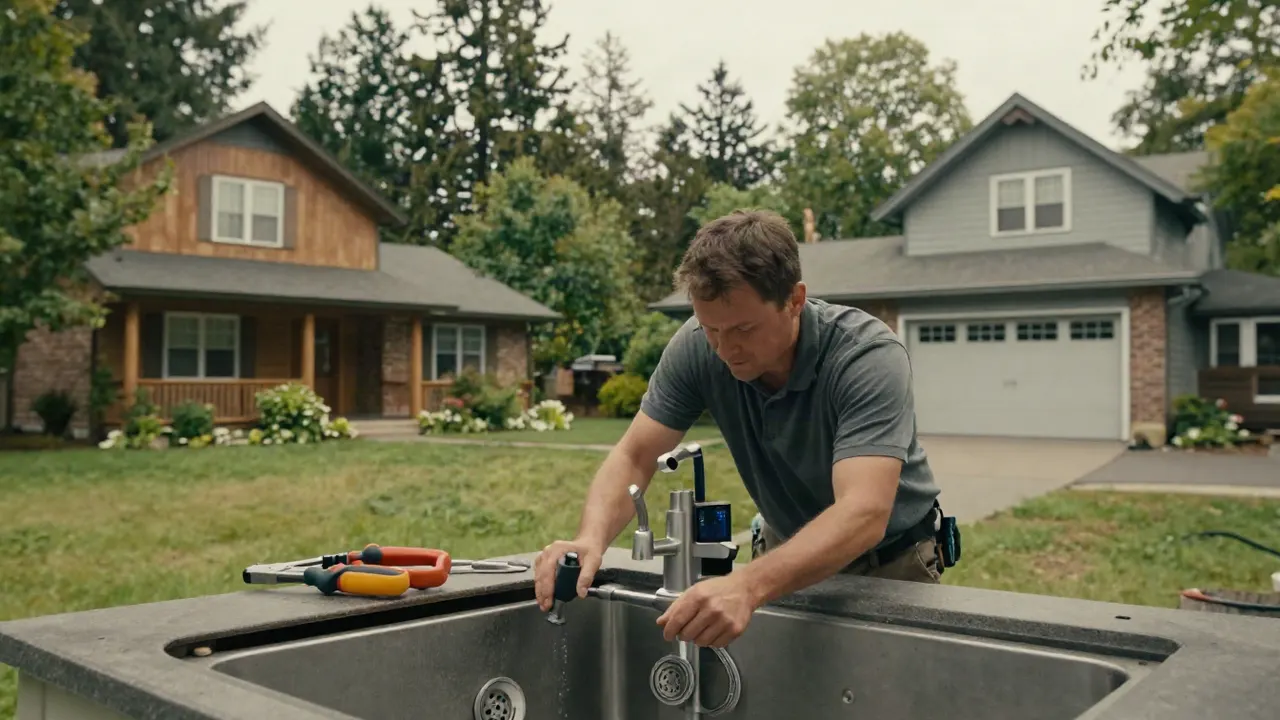
You can clear most kitchen sink clogs without chemicals by using a sequence of boiling water, a plunger, and a drain snake - in that order. Chemical drain cleaners are rarely necessary for kitchen clogs and often make things worse by hardening grease or damaging older pipes. This guide walks you through each safe method, explains why clogs happen in Longview homes, and tells you when it's time to call a plumber.
Why chemical drain cleaners are a bad idea
Chemical drain cleaners are a bad idea because they can corrode pipes, harm your skin and eyes, and turn a simple clog into a costly repair. Most store-bought cleaners rely on sodium hydroxide (lye) or sulfuric acid. These chemicals generate heat as they react with organic matter, and that heat can soften PVC joints or accelerate corrosion in older galvanized steel lines.
In Longview, many homes were built before 1980 and still have original metal drain lines. Pouring lye down a 40-year-old pipe is a gamble. If the chemical doesn't clear the clog, it sits there and eats away at the pipe wall. When you finally call a plumber, we're now dealing with a chemical burn hazard on top of a blockage.
There's also the environmental angle. Whatever goes down your drain ends up in the wastewater system. Longview's treatment plant handles it, but the fewer harsh chemicals we send downstream, the better for the Cowlitz River and everyone who fishes it.
What actually causes kitchen sink clogs in Longview
Kitchen sink clogs in Longview are almost always caused by grease, food particles, and soap scum building up on the pipe walls over months or years. The clog you notice today started forming last winter or even earlier. It's a gradual accumulation, not a sudden event.
Here's what we find most often when we open up a drain line:
- Grease and cooking oil. Even small amounts poured down the drain cool and solidify. Over time, they coat the pipe and narrow the opening.
- Coffee grounds and eggshells. These don't break down in water. They settle and catch other debris.
- Starchy foods like rice and pasta. They absorb water, swell, and create a paste that sticks to pipe walls.
- Soap scum. Bar soap and some liquid soaps leave a residue that binds with grease.
- Fibrous vegetables. Celery, onion skins, and potato peels wrap around the disposal blades and drain openings.
Longview's water is relatively soft, which is good news for your pipes. But that also means soap lathers well and people use more of it, which adds to the scum layer. Homes on septic systems have it worse because the drain field can't handle the same volume of grease and solids.
If your kitchen sink clog is part of a larger pattern - slow drains in multiple fixtures, gurgling sounds, or backups in the laundry - the problem may be in your main line. That's when you want a professional to look at sewer line cleaning longview WA before the clog turns into a sewage backup.
The tools you need (and what to skip)
You don't need a cabinet full of specialty gear. For most kitchen sink clogs, these five items will do the job:
- A kettle or large pot for boiling water.
- A cup plunger (the kind with a flat rubber cup, not a flange plunger for toilets).
- A drain snake - a hand-crank auger, 15 to 25 feet long, available at any hardware store for $20-$40.
- Baking soda and white vinegar for maintenance and light clogs.
- A bucket and towels for catching water when you remove the P-trap.
Skip the chemical cleaners. Skip the wire coat hanger - it can scratch pipe walls and push the clog deeper. And skip the high-pressure nozzle attachment for your garden hose unless you know what you're doing; you can blow apart a weak joint.
If you have a garbage disposal, make sure it's turned off at the breaker before you reach into the sink. We've seen too many hand injuries from a disposal that got switched on by accident.
Step-by-step: how to unclog a kitchen sink drain without chemicals
Follow these steps in order. Most clogs clear by step three or four. If you get to step six and the water still won't drain, it's time to call us.
Step 1: Boiling water
Bring a full kettle of water to a rolling boil. Pour it slowly down the drain in two or three stages, waiting 10-15 seconds between pours. Boiling water melts grease and softens soap scum. This alone clears many slow drains.
Don't use boiling water if you have PVC pipes that are old or brittle, or if you've already poured chemicals down the drain. In those cases, use hot tap water instead.
Step 2: Baking soda and vinegar
Pour half a cup of baking soda down the drain, followed by half a cup of white vinegar. Cover the drain with a plug or a rag to trap the fizzing action. Let it sit for 15 minutes, then flush with hot water. This won't dissolve a solid grease block, but it breaks up the slimy film that catches debris.
Step 3: Plunge
Fill the sink with about 2 inches of water. Place the cup plunger over the drain and plunge firmly 15-20 times. The water creates a seal that helps the pressure reach the clog. If you have a double sink, seal the other drain with a stopper or wet rag so the pressure doesn't escape.
Step 4: Remove and clean the P-trap
Put a bucket under the P-trap (the curved pipe under the sink). Unscrew the slip nuts by hand or with channel-lock pliers. Pull the trap off and clean out the debris - you'll likely find a gray, greasy mass. Reassemble and run hot water for a minute.
Step 5: Snake the drain
Feed the drain snake into the pipe until you feel resistance. Crank the handle clockwise to work the auger through the clog. When you feel it grab, pull it back slowly. You may need to repeat this a few times. The snake reaches clogs 15-25 feet down the line, which covers most kitchen sink blockages.
Step 6: Call a plumber if the water still won't drain
If you've tried all five steps and the sink still backs up, the clog is likely deeper in the branch line or the main sewer. At that point, you need a professional auger or hydro-jetting equipment. We handle drain cleaning longview WA with truck-mounted snakes and cameras that can see exactly what's blocking the line.
Does baking soda and vinegar unclog drains?
Baking soda and vinegar can unclog a drain if the clog is soft - soap scum, light grease, or food particles. It won't clear a solid grease block or a clog caused by a foreign object. The fizzing action loosens debris and the baking soda acts as a mild abrasive, but the mixture doesn't generate enough force to push through a dense blockage.
Think of it as a maintenance tool, not a rescue tool. Used once a month, it keeps drains flowing and reduces the chance of a major clog. Used on a fully blocked drain, it's usually just the first step before you reach for the plunger or snake.
Common mistakes that make the clog worse
We see these mistakes all the time when we arrive at a clogged sink. Avoiding them saves you time and money.
- Pouring chemical cleaner after a failed plunge. The chemical sits on top of the clog and can splash back when you try to snake. It also makes the pipe dangerous to work on.
- Using a toilet plunger. The flange on a toilet plunger won't seal a kitchen sink drain. You need a flat cup plunger.
- Running the garbage disposal as a fix. If the drain is clogged, the disposal just spins the debris and makes the blockage tighter.
- Ignoring the second sink basin. In a double sink, the clog is often in the shared drain line. Plunging one side without sealing the other just moves water back and forth.
- Using too much force on the snake. Cranking hard can kink the cable or scratch the pipe. Let the auger do the work.
If you've already poured chemicals and the drain is still blocked, tell us when you call. We'll bring the right safety gear and dispose of the contaminated water properly.
When to call a professional
Call a professional when the clog returns within a few days, when multiple drains in your home are slow, or when you hear gurgling from other fixtures. Those are signs the blockage is in the main line, not just the kitchen branch.
You should also call if you've tried the steps above and the water still won't drain after 30 minutes of work. A hand snake reaches 25 feet; a truck-mounted sewer machine reaches 100 feet or more. If the clog is past your cleanout, you need the bigger equipment.
At Longview Riverbend Plumbing, we handle everything from simple sink clogs to full sewer line blockages. We'll snake the line, run a camera if needed, and tell you exactly what we found. If the problem is roots or a collapsed pipe, we'll show you the footage and give you a straight answer on repair options.
For older homes in Longview, we often find that repeated kitchen clogs are a symptom of deteriorating pipes. If your home was built before 1970 and has original galvanized steel drains, pipe repair longview WA may be a better long-term fix than snaking the same line every six months.
How to prevent kitchen sink clogs in Longview
Prevention is mostly about what you put down the drain. Here's what we tell our customers:
- Wipe grease out of pans with a paper towel and throw it in the trash. Never pour grease down the drain, even with hot water running.
- Use a sink strainer. A $5 mesh strainer catches most food particles before they reach the trap.
- Run cold water while using the disposal. Cold water solidifies grease so the disposal can chop it into small pieces. Hot water melts it, and it re-solidifies downstream.
- Flush with hot water after each use. A 10-second flush helps move debris through the trap.
- Do a monthly baking soda and vinegar treatment. It takes five minutes and keeps the pipe walls clean.
If you have a septic system, be extra careful with grease and food scraps. Septic tanks in the Longview area need pumping every three to five years, and a grease-heavy diet shortens that interval.
For homeowners who want a professional once-over, we offer residential plumbing longview WA inspections that include drain line checks. We can spot early signs of buildup before it becomes an emergency.
Frequently Asked Questions
How do I unclog my kitchen sink without chemicals in Longview?
Start with boiling water, then baking soda and vinegar, then a cup plunger. If those fail, remove the P-trap and snake the drain. Most clogs clear within 30 minutes using these methods. If the water still won't drain, call a plumber.
What causes kitchen sink clogs in Longview?
Grease, food particles, coffee grounds, eggshells, and soap scum are the main culprits. Longview's soft water means soap lathers well, so more soap residue ends up in the drain. Older homes with galvanized pipes are more prone to buildup.
When should I call a plumber for a clogged sink in Longview WA?
Call a plumber if the clog returns within a few days, if multiple drains are slow, or if you hear gurgling from other fixtures. Those signs point to a main line blockage that a hand snake can't reach. We handle those calls daily.
Does baking soda and vinegar unclog drains in Longview?
It works on soft clogs like soap scum and light grease, but not on solid blockages. Use it monthly as a maintenance treatment. For a fully blocked drain, you'll need a plunger or snake to clear it.
How much does drain cleaning cost in Longview WA?
Typical 2026 pricing for professional drain cleaning in Longview ranges from $150 to $350, depending on the clog location and whether a camera inspection is needed. Emergency calls and main line clogs run higher. We quote upfront before we start.
Get help with plumbing in longview
If your kitchen sink is still backed up after trying these steps, we can clear it today. Our team knows Longview's older homes and the drain problems that come with them.
Call Longview Riverbend Plumbing at (360) 886-3111 for fast, chemical-free drain cleaning. We'll diagnose the clog, clear it, and show you how to keep it from coming back.